The Chairman's Blog
Explore Gallup's research.

Nine in 10 office workers don't want to go back to the old way of working. See why it's time for leaders to enact more effective hybrid work strategies.

Post-pandemic, the biggest problem for organizations isn't bringing employees back to the office -- it's losing customers.

Trying to fit into a mold that doesn't fit you back isn't the way to success: investing in your strengths is.

The hybrid workplace, when managed properly, can be more productive than your old workplace. Here's what leaders and board members should be asking.

The people have spoken -- working from home is a priority, even post-pandemic. Are you prepared to handle this new will of the workforce?

Deaths of despair are the quiet counterpart to the COVID-19 pandemic. Gallup and Magellan are spearheading efforts to stop another global crisis.

The practice of management is broken, but Gallup has found the fix. It all starts with a conversation.

A mental health crisis threatens individuals and organizations worldwide. Here's how leaders should respond.

Emerging environmental, social and governance standards could reshape capitalism as we know it.

Nothing works in an organization without great managers, says Gallup Chairman Jim Clifton, coauthor of the newly released book It's the Manager.

Leaders of large companies, you can fix U.S. GDP growth and productivity by changing your culture to one that maximizes employee potential.

Discover how to build a thriving business or a nonprofit that will change your life, your career -- and the world.

DTE's recovery from the Great Recession was the result of hard work, commitment and inspired leadership -- in other words, culture.
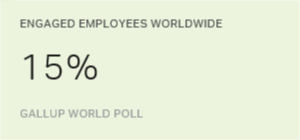
What if organizations everywhere doubled or tripled employee engagement? Imagine how quickly that would solve global productivity.
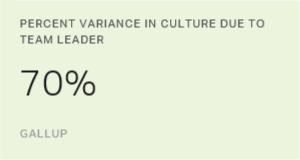
Great cultures are loaded with star team leaders who create new customers.